
The Benefits of Chiropractic Adjustments for Lower Back Pain
 Dr. Jose Zamora
Lower back pain is one of the most common reasons people miss work, avoid activities they love, and quietly suffer through their daily routines. If you’ve been dealing with a dull ache, sharp stiffness, or that nagging tension that just won’t quit, you are far from alone. Here at Zamora Chiropractic in Bentonville, AR, Dr. Jose Zamora works with patients every week who are searching for real, lasting relief — without relying on medications or jumping straight to surgery. Chiropractic adjustments for lower back pain have helped countless people regain their quality of life, and in this article, we’ll walk you through exactly how and why they work.
What Are Chiropractic Adjustments for Lower Back Pain?
Chiropractic adjustments — sometimes called spinal manipulation — are hands-on techniques used by licensed chiropractors to gently restore proper alignment and movement to the joints of the spine. When applied to the lower back, these adjustments aim to reduce pain, decrease muscle tension, and improve the overall function of the lumbar spine. It is a non-invasive, drug-free approach that addresses the root cause of discomfort rather than simply masking it.
What Causes Lower Back Pain?
Lower back pain rarely has just one cause. Most of the time, it develops gradually as a result of multiple contributing factors working together. Understanding what’s driving your pain is the first step toward choosing the right care.
The lumbar spine — the lower portion of your back — supports a significant amount of your body’s weight. It is made up of five vertebrae, a series of cushioning discs, joints, muscles, ligaments, and nerves. When any part of this complex system becomes irritated, inflamed, or misaligned, pain is often the result.
Some of the most common causes Dr. Jose Zamora sees in patients at Zamora Chiropractic include prolonged sitting, poor posture, repetitive lifting or bending, muscle imbalances, and sedentary lifestyles. In Bentonville, AR, many patients work desk jobs or spend long commutes in the car, both of which place sustained pressure on the lumbar spine. Other contributing factors can include disc issues, joint degeneration, and sports-related injuries.
Stress also plays a role. When the body is under emotional or physical stress, muscles throughout the back tend to tighten and guard, which can compress the spine and restrict normal movement. Over time, this creates a cycle of pain and tension that becomes harder to break on its own.
How Chiropractic Adjustments Work
If you’ve never had a chiropractic adjustment before, the idea of it might feel a little unfamiliar. That’s completely normal. Let’s break it down in simple terms.
The spine is made up of joints — and like any joint in the body, spinal joints can become restricted, stiff, or slightly misaligned. When this happens, it can irritate surrounding nerves and muscles, cause inflammation, and reduce the spine’s ability to move as it should. Chiropractors refer to these areas of dysfunction as “subluxations” or joint restrictions.
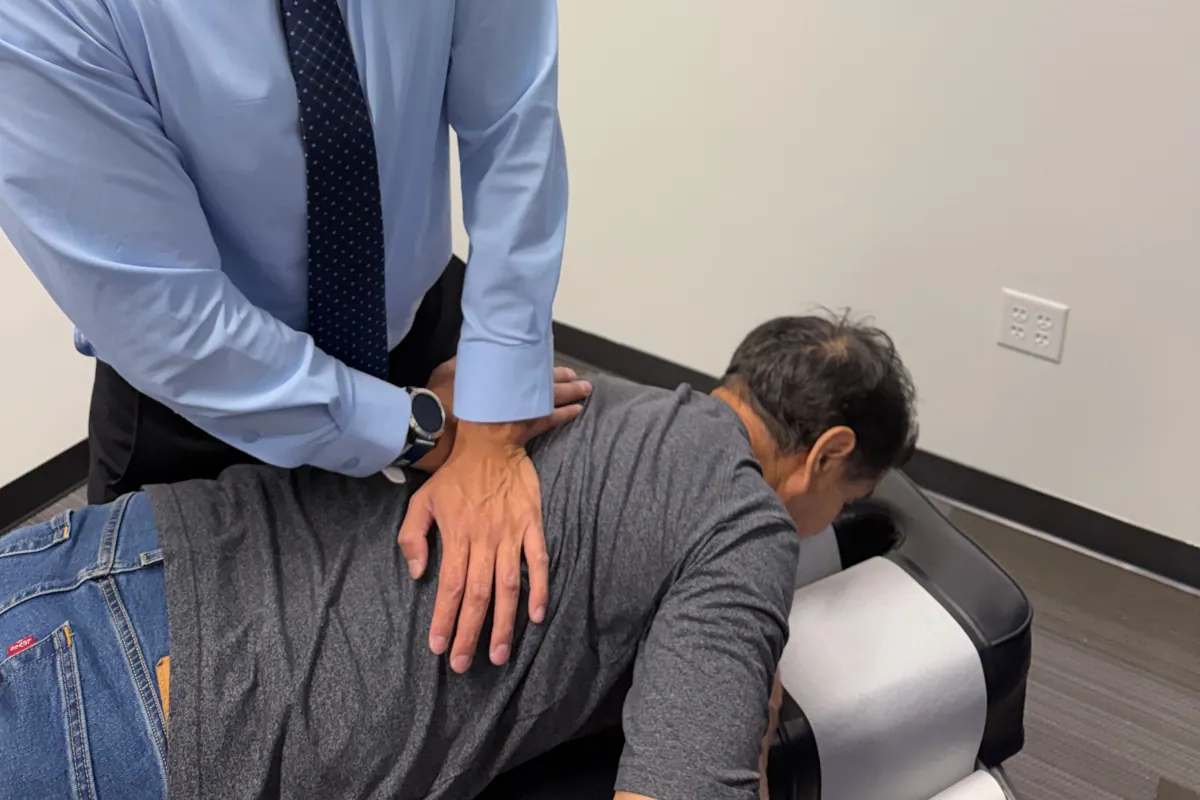
During a chiropractic adjustment, Dr. Jose Zamora uses controlled, precise force applied to a specific joint in the spine. This helps restore that joint’s normal range of motion, reduces surrounding muscle tension, and takes pressure off irritated nerves. Many patients notice a popping or clicking sound during the adjustment — this is simply the release of gas bubbles within the joint fluid, similar to the sound when you crack your knuckles. It is completely normal and generally painless.
Research published in sources like the Journal of Manipulative and Physiological Therapeutics and endorsed by organizations like the American College of Physicians suggests that spinal manipulation is an effective conservative treatment option for acute and chronic lower back pain. Evidence indicates it can reduce pain intensity and improve function, often with fewer side effects than medication-based approaches.
The Key Benefits of Chiropractic Care for Lower Back Pain
There are several meaningful benefits to choosing chiropractic adjustments as part of your lower back pain management. Here’s what the evidence and clinical experience at Zamora Chiropractic in Bentonville, AR consistently show.
Reduced Pain Without Medication
One of the most appreciated aspects of chiropractic care is that it offers a path to pain relief that doesn’t rely on over-the-counter or prescription medications. While pain medication has its place, it often only addresses the sensation of pain — not the underlying cause. Chiropractic adjustments work to restore normal function to the joints and nervous system, which can lead to meaningful, lasting pain reduction. For people who want to avoid the side effects or dependencies that can come with long-term pain medication use, this is a significant advantage.
Improved Mobility and Flexibility
When the lower back is painful, movement becomes limited. Simple activities like bending to pick something up, getting in and out of a car, or even rolling over in bed can feel daunting. Chiropractic adjustments help restore proper joint motion, which often translates to better flexibility and a greater ability to move through your day with ease. Many patients at Zamora Chiropractic report noticeable improvements in their range of motion after just a few sessions.
Reduced Muscle Tension
Tight, overworked muscles in the lower back are both a symptom and a cause of ongoing pain. When spinal joints are restricted, the surrounding muscles compensate — they work harder, fatigue faster, and develop tension knots that make the area feel chronically sore. By restoring proper joint motion, chiropractic adjustments take the burden off those overworked muscles, allowing them to relax and recover more naturally.
A Non-Invasive Alternative to Surgery
Surgery is sometimes necessary, but it’s rarely a first-line option for lower back pain. Chiropractic care offers a conservative, non-invasive alternative that many patients can explore before considering more drastic interventions. The American College of Physicians actually recommends non-pharmacologic treatments — including spinal manipulation — as a first step for managing low back pain. That’s a meaningful endorsement from a respected medical organization.
Support for Long-Term Spine Health
Regular chiropractic care isn’t just about addressing pain when it flares up. Many patients choose to continue care on a maintenance basis to support the long-term health of their spine. Think of it like regular dental checkups — you don’t wait until you have a toothache to see the dentist. Proactive spinal care can help prevent small issues from becoming significant problems over time.
How Dr. Jose Zamora Approaches Lower Back Care
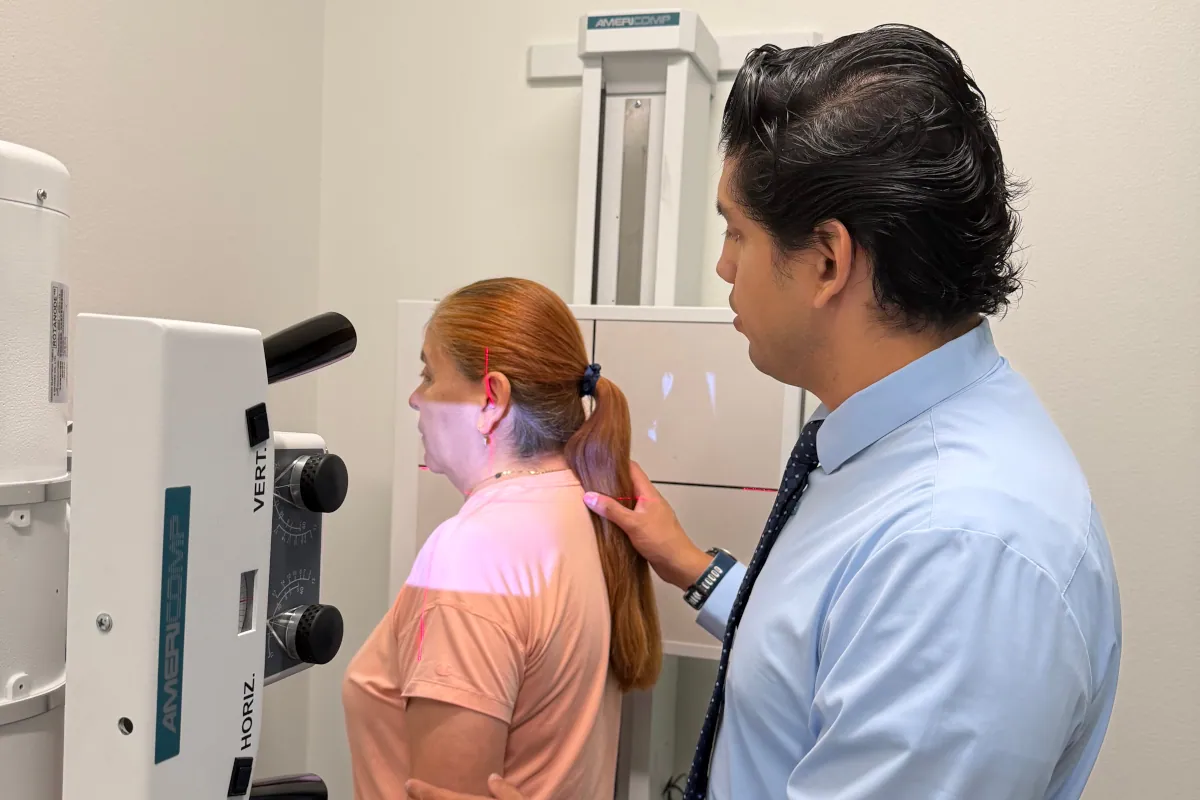
At Zamora Chiropractic in Bentonville, AR, the approach to lower back pain is thorough and individualized. Dr. Jose Zamora doesn’t believe in a one-size-fits-all treatment plan. Every patient’s spine is different, and every person’s lifestyle, occupation, and health history plays a role in how their pain developed and how it should be addressed.
The process typically begins with a comprehensive evaluation — reviewing your health history, discussing your symptoms, and assessing your posture, movement, and spinal alignment. From there, Dr. Jose Zamora develops a care plan tailored specifically to your needs. Treatment may include spinal adjustments, soft tissue work, movement recommendations, and lifestyle guidance — all designed to work together toward lasting relief.
The goal at Zamora Chiropractic is never just to manage your pain. It’s to help you understand what’s happening in your body, address the root cause, and give you the tools to maintain a healthier spine going forward. The Bentonville community deserves care that’s honest, effective, and genuinely patient-centered — and that’s exactly what you’ll find here.
Practical Tips to Support Your Lower Back
Chiropractic adjustments are most effective when supported by healthy daily habits. Here are some practical, evidence-aligned tips that Dr. Jose Zamora often shares with patients to help them get the most out of their care and protect their lower back between visits.
Mind Your Sitting Posture: If you work at a desk or spend long hours driving, make sure your lower back is supported. Your hips should be at roughly a 90-degree angle, your feet flat on the floor, and your screen at eye level. Slouching forward or rounding the lower back for extended periods is one of the most common causes of lumbar strain in Bentonville’s working population.
Move Frequently: Prolonged static postures — whether standing or sitting — are hard on the lumbar spine. Setting a reminder to stand, stretch, or take a short walk every 30 to 45 minutes can make a surprising difference. Motion is medicine for spinal joints.
Strengthen Your Core: The muscles of the abdomen, hips, and lower back all work together to support the spine. Gentle core-strengthening exercises — like pelvic tilts, bridges, or bird-dogs — can reduce the load on your lumbar vertebrae and help prevent future flare-ups. Always consult with a healthcare provider before beginning a new exercise routine, especially if you’re currently experiencing pain.
Sleep Smart: Your sleep position matters more than most people realize. Sleeping on your back with a pillow under your knees, or on your side with a pillow between your knees, helps keep the spine in a more neutral position throughout the night. Sleeping on your stomach is generally discouraged, as it places significant stress on the lumbar spine and neck.
When to See a Chiropractor
You don’t have to be in severe pain to benefit from chiropractic care. In fact, many people find it most helpful when they seek care early — before a minor issue becomes a chronic problem. If your lower back has been bothering you for more than a few days, or if pain is affecting your ability to work, sleep, or enjoy daily activities, it’s worth scheduling an evaluation at Zamora Chiropractic.
That said, there are certain symptoms that warrant prompt medical attention rather than chiropractic care alone. If you are experiencing numbness or tingling that runs down one or both legs, loss of bladder or bowel control, severe pain following a traumatic injury, or unexplained weight loss alongside your back pain, please seek urgent medical evaluation. These can be signs of a more serious underlying condition that requires immediate attention. A good chiropractor will always refer you out when appropriate — your safety is the priority.
For most people, though, lower back pain that feels achy, stiff, or persistent is well within the scope of what chiropractic care is designed to help. If you’re in the Bentonville, AR area and have been putting off getting help, this is your sign to take that first step.
Chiropractic vs. Common Treatment Approaches for Lower Back Pain
|
Treatment Approach |
Invasiveness |
Addresses Root Cause |
Side Effects |
Long-Term Support |
|---|---|---|---|---|
|
Chiropractic Adjustments |
Non-invasive |
Yes — joint function, nerve pressure |
Minimal (mild soreness possible) |
Yes — maintenance care available |
|
Pain Medication (OTC/Rx) |
Non-invasive |
No — masks symptoms only |
Possible GI issues, dependency risk |
Limited — does not correct dysfunction |
|
Physical Therapy |
Non-invasive |
Partially — muscle strengthening focus |
Minimal |
Yes — when exercises are maintained |
|
Spinal Surgery |
Highly invasive |
Yes — but for specific structural issues |
Significant — recovery, complications |
Varies — not always permanent relief |
|
Steroid Injections |
Minimally invasive |
No — reduces inflammation temporarily |
Possible with repeated use |
Limited — typically short-term relief |
Myths vs. Facts About Chiropractic Adjustments
Myth: Chiropractic adjustments are dangerous.
Fact: When performed by a licensed chiropractor, spinal adjustments are considered a safe and well-tolerated form of conservative care for most patients. Serious adverse events are rare. Dr. Jose Zamora conducts a thorough evaluation before any treatment to ensure that chiropractic care is appropriate and safe for each individual patient.
Myth: Once you start chiropractic care, you have to go forever.
Fact: This is one of the most persistent misconceptions about chiropractic. Care is always your choice. Many patients complete an acute care plan and feel fully resolved. Others choose ongoing maintenance visits — much like continuing to exercise after recovering from an injury. There is no requirement to continue care beyond what you find personally beneficial.
Myth: Chiropractic only helps back pain.
Fact: While lower back pain is indeed one of the most common reasons people visit a chiropractor, chiropractic care can address a wide range of musculoskeletal complaints, including neck pain, headaches, shoulder issues, and more. The spine’s relationship to the nervous system means that spinal health can have a broad impact on overall function and wellbeing.
Myth: The popping sound during an adjustment means something is being “cracked.”
Fact: That familiar popping sound is called cavitation — it’s the release of gas from within the joint’s synovial fluid. Nothing is being broken or damaged. It’s a natural byproduct of the joint being gently mobilized, and many patients find it satisfying rather than alarming.
Myth: You should wait until the pain is unbearable before seeing a chiropractor.
Fact: Early intervention is almost always better than waiting. Addressing spinal dysfunction when symptoms are mild can prevent the issue from progressing into a chronic condition. If something doesn’t feel right, it’s worth getting it evaluated sooner rather than later.
Final Thoughts
Living with lower back pain doesn’t have to be your new normal. Whether your discomfort is recent or has been going on for years, there are real, evidence-supported options available to you — and chiropractic adjustments are among the most well-researched conservative approaches out there.
Here at Zamora Chiropractic in Bentonville, AR, Dr. Jose Zamora is committed to providing the kind of care that actually makes a difference in people’s lives. Not just temporary relief, but genuine improvement in how you feel, move, and function every day. The Bentonville community is filled with hardworking, active people who deserve to live without the burden of chronic back pain — and that’s exactly the kind of change Dr. Jose Zamora works toward with every patient who walks through the door.
If you’ve been wondering whether chiropractic care might be right for you, the best next step is simply to come in for an evaluation. You don’t have to have all the answers before you arrive — that’s what the appointment is for. Zamora Chiropractic is here to listen, assess, and guide you with honesty and care.
Frequently Asked Questions
How many chiropractic visits does it take to feel relief from lower back pain?
This varies depending on the nature and severity of the condition. Some patients notice improvement after just a few visits, while others with longer-standing issues may require a more extended course of care. Dr. Jose Zamora will give you a realistic, individualized estimate during your initial evaluation.
Is chiropractic care safe for older adults with lower back pain?
Yes, chiropractic care can be a safe and effective option for older adults. Techniques can be modified to suit each patient’s age, bone density, and health status. A thorough health history and evaluation ensures that treatment is appropriate and gentle for each individual.
Can chiropractic adjustments help with a herniated disc?
In many cases, chiropractic care can help manage the pain and dysfunction associated with a herniated disc by reducing pressure on surrounding nerves and improving spinal mechanics. However, a proper evaluation is essential to determine whether chiropractic care is appropriate for your specific disc condition.
What should I expect during my first visit to Zamora Chiropractic?
Your first visit will involve a thorough health history review, a discussion of your symptoms, and a physical and postural assessment. Dr. Jose Zamora will explain his findings and walk you through a recommended care plan before any treatment begins — so you always feel informed and in control.
Will a chiropractic adjustment hurt?
Most patients find chiropractic adjustments to be comfortable or even relieving. Some mild soreness in the treated area for a day or two after the first visit is normal and typically resolves quickly. Dr. Jose Zamora uses a gentle, controlled approach and adjusts technique based on each patient’s comfort and needs.
Can I see a chiropractor if I’ve already had back surgery?
This depends on the type of surgery and your current condition. In many cases, chiropractic care can be provided safely after back surgery, often focusing on areas above or below the surgical site. A full health history review and, in some cases, coordination with your surgeon would be appropriate before beginning care.
TL;DR Summary
-
Chiropractic adjustments are a non-invasive, drug-free approach to treating lower back pain by restoring proper joint function and reducing nerve irritation.
-
Evidence from respected organizations like the American College of Physicians supports spinal manipulation as a first-line conservative treatment for lower back pain.
-
Key benefits include pain relief without medication, improved mobility, reduced muscle tension, and long-term spine health support.
-
At Zamora Chiropractic in Bentonville, AR, Dr. Jose Zamora takes an individualized, thorough approach to each patient’s care — focusing on root causes, not just symptoms.
-
Most people should seek chiropractic care early, before minor issues become chronic — and always see a medical professional immediately if experiencing severe neurological symptoms.